You deserve care that sees the whole picture.
Our psychiatrists take time to understand what is happening, what you have tried, and what may help you move forward.

A Holistic Approach to Mental Health
Psychiatry at Best Fit looks at the whole person, not just symptoms. Our psychiatrists are physicians trained to diagnose conditions and manage medication, with an understanding of how physical and mental health affect each other, working alongside your therapist rather than duplicating what they do.
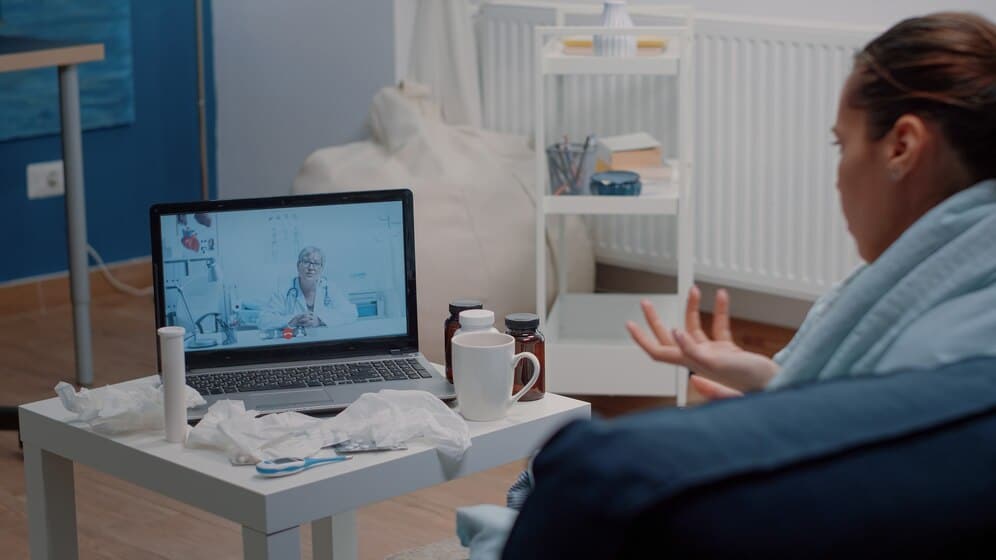
Most follow-up visits can also be done by telehealth once your treatment plan is established, so ongoing care fits around your schedule.
What to Expect From a Psychiatric Evaluation
Your first visit includes a thorough review of your history, current symptoms, past treatment, and goals. From there, your psychiatrist will recommend a plan, which may include medication, a referral to one of our therapists, or both.
- Comprehensive diagnostic evaluation
- Optional medication management and ongoing monitoring
- Direct coordination with your counselor, when you have one
- Care for children, adults, and families
- Referral into our Spravato® Plus program when standard treatment hasn't been enough
Many people receive therapy in one office and medication management somewhere else, with little communication between the two. At Best Fit, one team handles both.
Explore Treatment by Condition
Psychiatric Medication, Explained
Ready to Schedule a Psychiatric Evaluation?
Request an appointment and our team will help match you with the right provider.
Are We the Right Fit?